Rising fuel prices and transportation disruptions have driven up logistics costs, forcing businesses to find ways to maintain their supply chains.
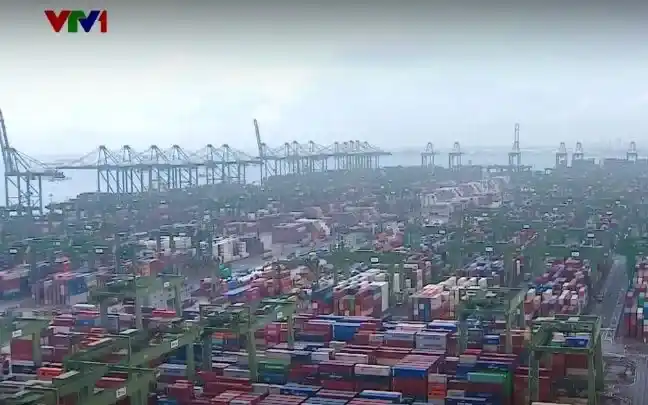
Conflicts in the Middle East have had a profound impact on global supply chains and logistics, including Southeast Asia. In Singapore, one of the region's busiest cargo hubs, the flow of goods is beginning to slow down.
For several days now, shipments scheduled to be delivered to CK Shipping's project in the Middle East have been held up. A company representative stated that the sharp increase in fuel prices has made shipping costs prohibitively expensive for customers.
Furthermore, limitations in both sea and air shipping routes continue to increase risks. Currently, the company is trying to share the incurred costs with customers while exploring alternative options.
Ken Ngan, Chairman and CEO of CK Shipping, stated: "Currently, we are doing our utmost to negotiate and communicate with carriers, shipping lines, airlines, and most importantly, our customers. This is because many costs, such as all the emergency fees, are being passed on to customers, and they are facing the problem of not being able to bear all these additional charges due to commitments they made to buyers."
Logistics companies say costs could increase by up to 50% due to war risk insurance fees, rising fuel prices, emergency surcharges from shipping companies, and detour costs. One solution being considered is to divert transport across the Red Sea and then load the goods onto land. However, no solution seems certain.
Ken Ngan, Chairman and CEO of CK Shipping, said: "We don't know how long this situation will last and whether it will escalate to other regions. That's our biggest concern, because the Middle East isn't far from Asia, not far from Southeast Asia, where we are, and if this crisis spreads to other regions, it will really cause a full-blown disruption to our logistics sector."
Currently, logistics companies in Singapore are closely monitoring the situation in the Middle East to make further decisions, ranging from staff reductions to downsizing operations, in order to minimize damage and risks.