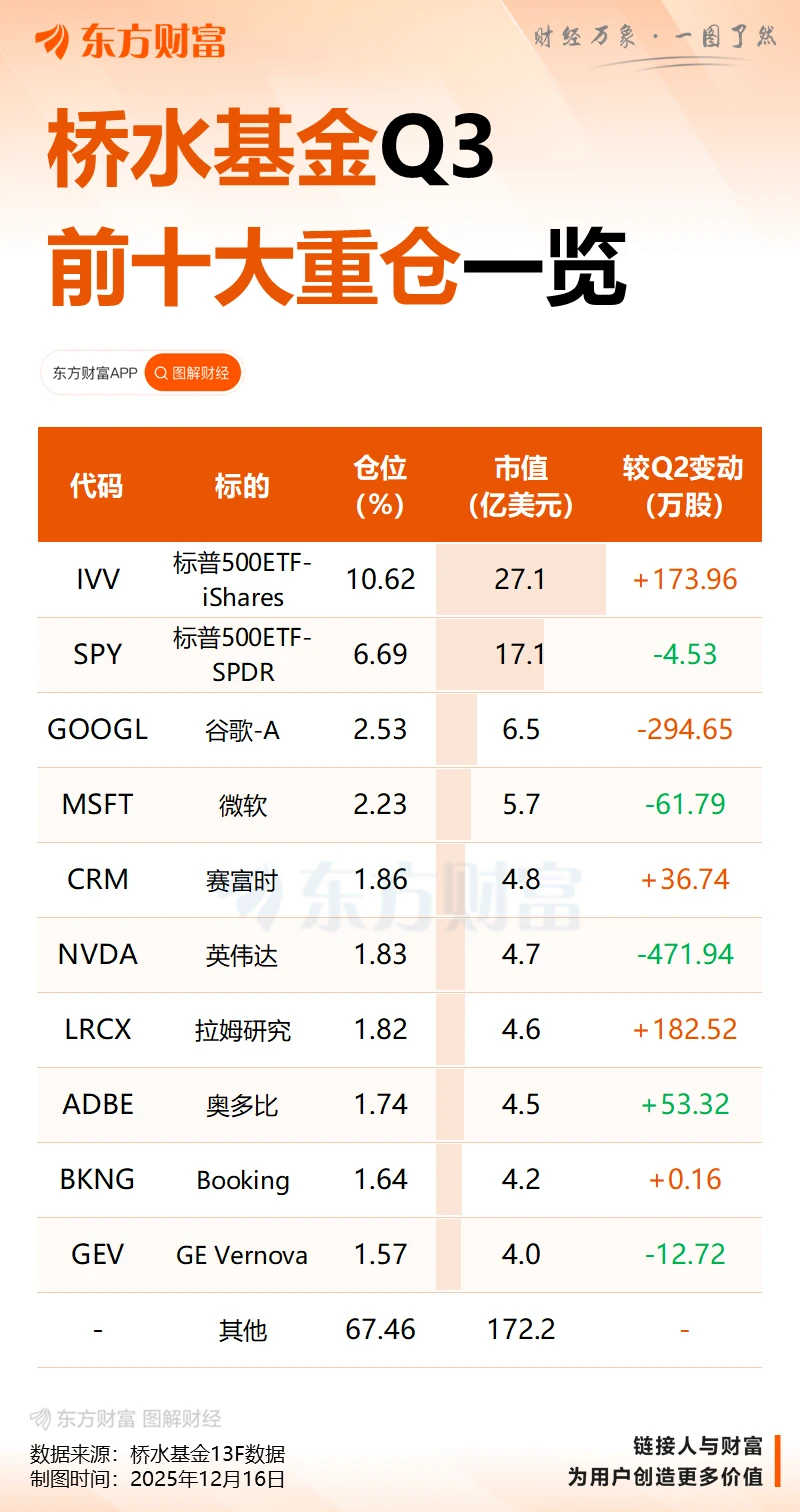
Greg Jensen, co-chief investment officer (CIO) of Bridgewater Associates, the world's largest hedge fund, warned on Monday that artificial intelligence... The AI spending spree is entering a “dangerous” phase.
This warning underscores the growing unease in the market as some investors begin to question the sustainability of massive AI capital expenditures. AI-related stocks have been hit hard in recent trading days. While the technology has deeply penetrated the economy, critics are beginning to wonder how severe the consequences will be if this boom fails to translate into real profits.
Jason is actually one of the earliest advocates of AI. Long before ChatGPT became popular, he considered artificial intelligence a major interest of Bridgewater. He has also previously stated that the hedge fund is currently experimenting with applying machine learning and artificial intelligence to its trading strategies.
In an interview at the end of November this year, Jensen also refuted the AI bubble theory. He said at the time that the market still did not understand how profound the changes AI would bring, nor did it realize how much capital was about to flood into this field. He said, "The bubble is ahead, not behind."
But in his latest report, Jason wrote, "As costs rise to levels that internal cash flow can support, companies are turning to external financing sources to achieve their ambitions. Looking ahead, we may very well soon find ourselves in a bubble. "
This shift, while unexpected, is also quite logical. A previous report by UBS pointed out that as of November this year, artificial intelligence data centers... The financing scale of related projects has soared from $15 billion in the same period of 2024 to $125 billion.
What ignited this latest wave of anxiety was Oracle 's massive debt incurred for AI. Oracle's latest earnings report shows that cloud revenue fell short of analysts' expectations, while the company also raised its annual capital expenditure target by $15 billion and more than doubled its future lease commitments. Last week, Oracle's stock price recorded its biggest drop in nearly 11 months, and its credit risk metrics rose to a 16-year high.
Jason pointed out that the surge in demand for computing power necessitates unprecedented data center construction, which faces numerous limitations. He added that, at the same time, valuations across the entire artificial intelligence ecosystem are skyrocketing, and the U.S. economy is increasingly focused on this technology.
He previously pointed out that AI-related capital expenditures have already reached a scale large enough to influence macroeconomic indicators. According to Jensen's estimates, about one percentage point of US GDP growth this year will come from AI investment. Moreover, he emphasized that this is just the beginning.
Jensen warned that the world is entering a “more dangerous phase” of the AI cycle—characterized by resource scarcity, accelerated spending, and intensified competition, while investors are still unprepared for the changes to come.

Dongcai Illustrated Guide: Some Useful Tips
(Article source: CLS)