Last week, at Nvidia After the company released its third-quarter financial report, Michael Burry, a well-known Wall Street short seller who attracted attention for his high-profile shorting of popular AI stocks, accused major tech giants on social media of making false statements about their revenue.
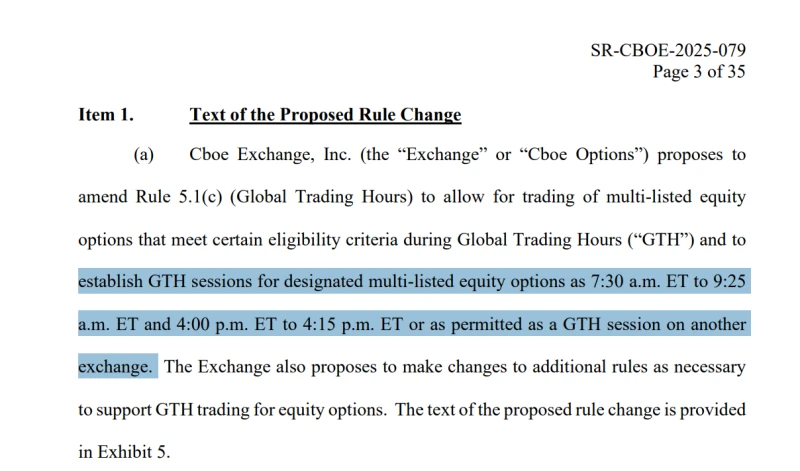
In response to his allegations, Nvidia has released a detailed memo to Wall Street analysts refuting the fraud allegations linked to "Big Short" Michael Burry and an article titled "An algorithm that can detect $610 billion in fraud."
Nvidia directly responds to the "big short sellers".
Nvidia directly responded to every single accusation made by "Big Short" Burry, stating that these accusations undermine the company's business practices, financial disclosures, and current artificial intelligence practices. The dynamics of the investment cycle have been incorrectly described.
The memo declined to compare the matter to past accounting scandals, emphasizing that Nvidia does not use special purpose entities (SPVs), does not rely on supplier financing, and has only one disclosed guarantee with negligible fair value.
In addition, Nvidia's payment terms remain stringent, with accounts receivable days at 53 days—roughly in line with the company's average over the past few years.
Nvidia also stated that the widespread accusations of a "$610 billion" revolving financing are unfounded, and emphasized that its total strategic investments in the third quarter were approximately $3.7 billion, and about $4.7 billion so far this year, which is only a small fraction of its revenue and far less than the size of its global private capital.
The company also emphasized that the companies in its portfolio primarily raise funds through third parties.

Refuting financial allegations
Burry, best known for his book "The Big Short," has previously warned that Wall Street's large tech companies may be underestimating depreciation costs associated with artificial intelligence infrastructure. In a recent tweet, he pointed out that these tech giants are extending the expected lifespan of assets in a way that "artificially inflates returns"—one of the more common forms of fraud in modern times.
He stated, "Majorly increasing capital expenditures by purchasing Nvidia chips/servers, over a 2-3 year product cycle, should not lead to an extension of the lifespan of computing equipment."
Bury estimates that the industry-wide depreciation figures may be underestimated by approximately $176 billion from 2026 to 2028, noting companies like Oracle... Companies like Meta's profits may be overestimated by more than 20% over the next decade.
He also revealed that as of September 30, he held a large number of put option positions against several artificial intelligence- related stocks, including bets related to Nvidia and Palantir Technologies.
However, Nvidia defended its accounting and operating practices. The company pointed to strong cash conversion as evidence of its good revenue quality and reported operating cash flow of $23.8 billion and free cash flow of $22.1 billion for the third quarter.
Since fiscal year 2018, long-term free cash flow has consistently accounted for approximately 98% of GAAP net income. The company stated that inventory trends reflect normal product production schedules and forward-looking guidance.
The memo also refuted allegations regarding profit margins, depreciation, and regulatory risks. Nvidia told analysts that higher warranty costs this year reflect the complexity of the Blackwell architecture and that this has been properly accounted for, while bad debt expenses are negligible and included in general and administrative expenses.
It also stated that it has not yet learned of any U.S. securities . The SEC has not initiated any investigations, and cryptocurrency price fluctuations are unrelated to its accounting practices. Regarding the insider trading allegations, the company claims it is a misinterpretation of the actions of a third-party fund.
Will Wall Street be convinced?
Simon Leopold, an analyst at brokerage firm Raymond James, commented after receiving the memo:
“The claims of systemic fraud are inconsistent with Nvidia’s fundamentals and the structure of this investment cycle,” he said, citing the company’s software moat, full-stack systems, and annual platform update cycle.
“Nvidia has an obligation to use its cash in the best interests of its shareholders; we believe its investment in AI-related opportunities is appropriate.”
The analyst continues to believe that Blackwell's peak shipments by 2026 will bring scale and visibility. However, he highlighted power constraints, the complexity of mass production, and a potential slowdown in the company's massive capital expenditures as key risks that require close monitoring.
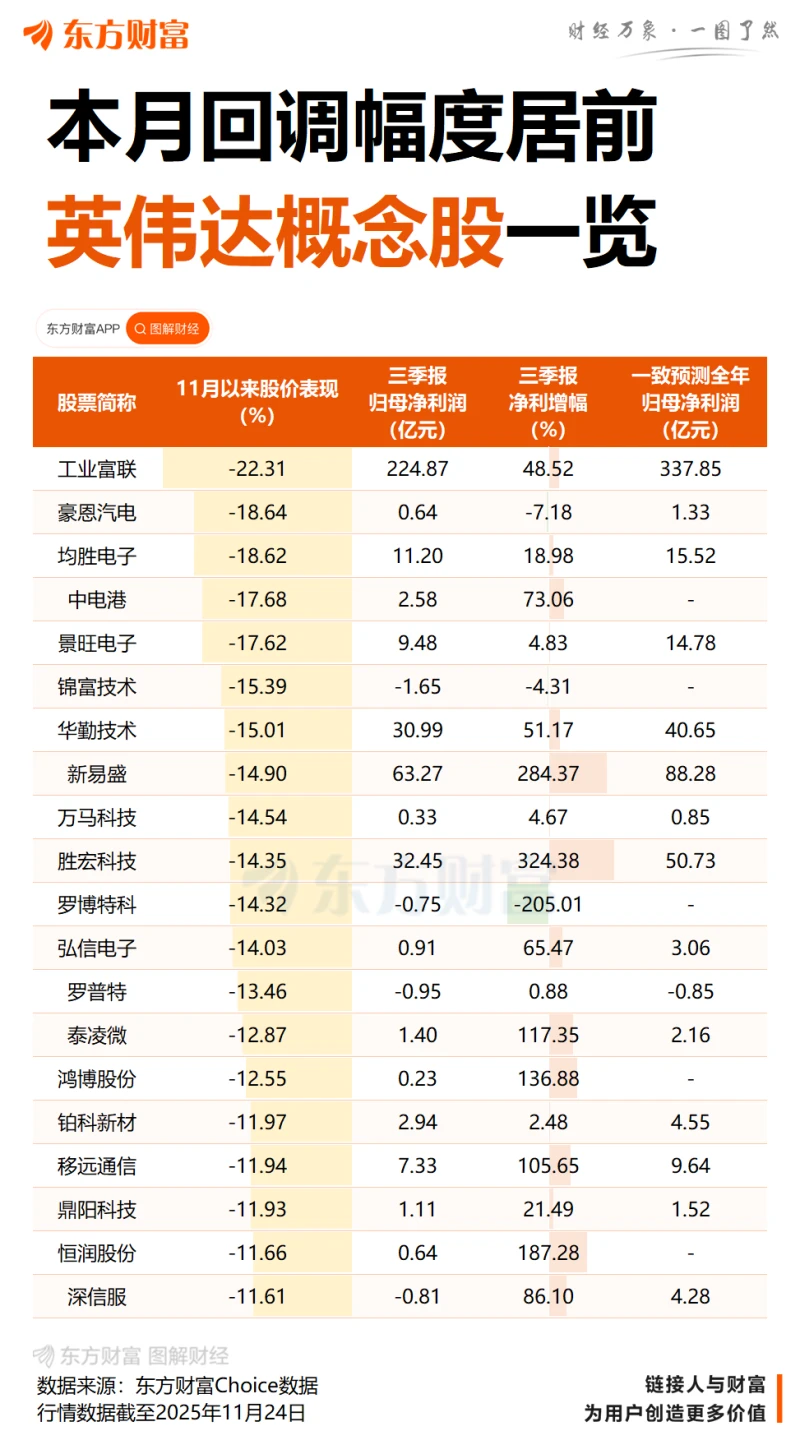
Dongcai Illustrated Guide: Some Useful Tips
(Article source: CLS)