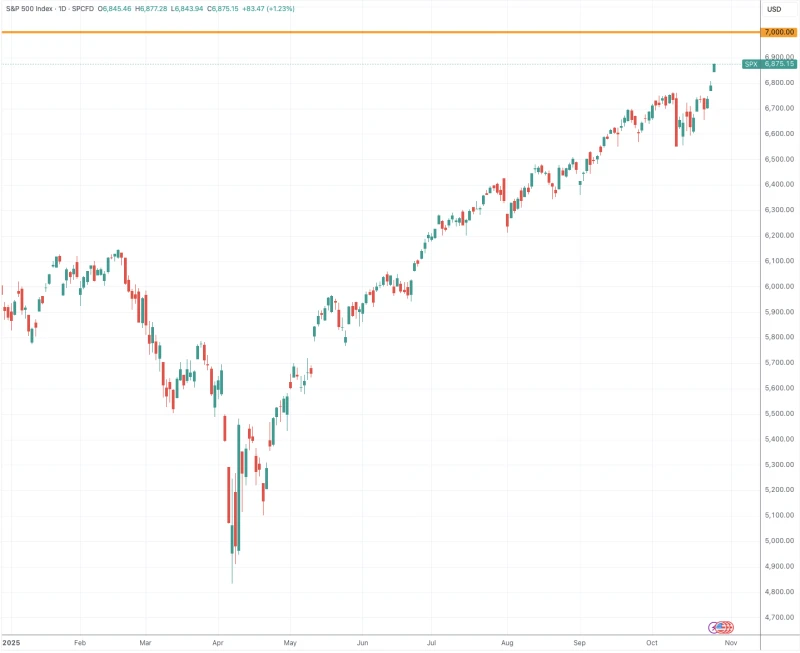
Elon Musk, who received a trillion-dollar compensation package, shared several company updates and plans.
On November 7th, Beijing time, Tesla The annual shareholders' meeting began in Austin, Texas. Following the passage of a nearly trillion-dollar compensation incentive plan, CEO Elon Musk took the stage to begin his speech.
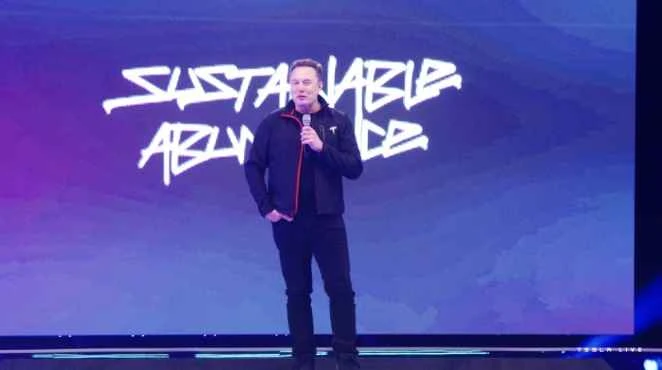
After the voting results were announced, Tesla's after-hours stock price rose by 3% at one point, but began to fall during Musk's speech. After the shareholder meeting, Tesla's after-hours stock price began to recover.
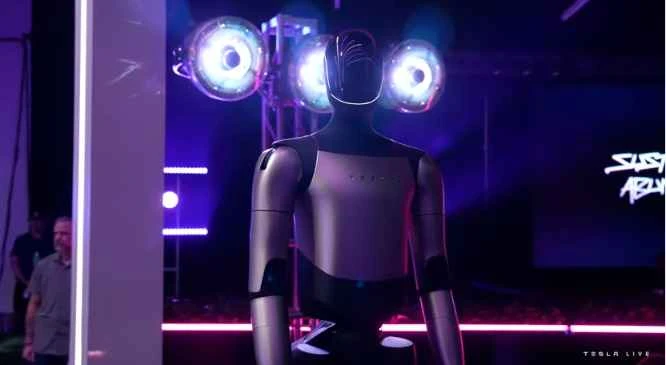
humanoid robot Optimus is undoubtedly Tesla The highlight of the speech was Musk's reiteration at the beginning that humanoid robots will become the largest product ever made, and that everyone will own a robot in the future. He predicted that tens of billions of Optimus robots will be "in use" in the future.
Regarding production capacity, Musk envisioned that Tesla would first launch a production line in Fremont with an annual capacity of one million units, and then build a production line in Austin with an annual capacity of 10 million units. He called it "the fastest production ramp-up of any large and complex manufactured product in history."
Tesla humanoid robot Mass production will begin next year, along with the production of the third-generation Tesla humanoid robot ; the product will be released annually with significant improvements each time. The fourth generation is expected to launch in 2027, and the fifth generation in 2028.
Tesla has mastered complex hand engineering and real-world artificial intelligence. The three major technological challenges are large-scale mass production. From Tesla's perspective, the humanoid robot is essentially an "intelligent car with arms and legs," which, combined with Tesla's existing battery technology... Motor It is created using technologies such as artificial intelligence .
Regarding costs, Musk stated that once a sustained production volume of 1 million units per year is achieved, the production cost will be around $20,000. However, he also frankly admitted that the investment in the research and development of humanoid robots is a "bottomless pit."
Musk also emphasized the importance of robots to Tesla's new vision of "accelerating the path to sustainable abundance": humanoid robots will truly eliminate poverty and provide precision medicine that surpasses that of human surgeons. To provide "unimaginable medical services" for everyone. "Humanoid robots have a huge economic impact, potentially expanding the global economy by 10 to 100 times."
In addition, Musk believes that humanoid robots could be used to build lunar and Martian bases, and that Tesla vehicles (such as the Cybertruck) could be modified into lunar/Mars rovers.
Looking to the future, he anticipates that within 20 years, humans may be able to upload snapshots of human consciousness into Tesla's humanoid robots via Neuralink. At that time, the humanoid robots may possess human consciousness.
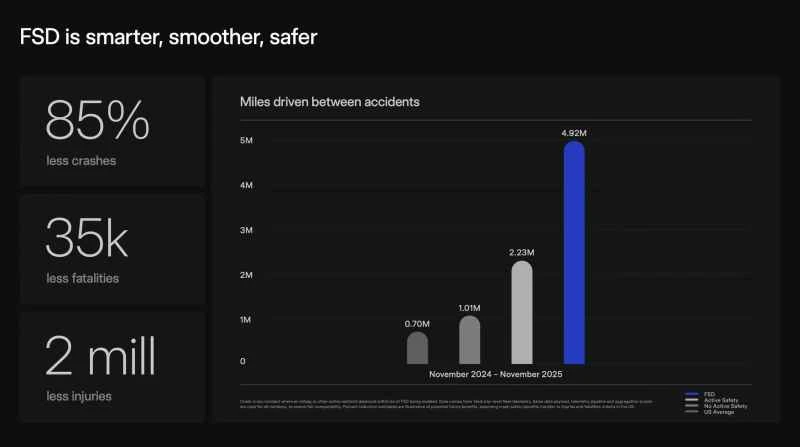
Regarding autonomous driving, FSD (Full Self-Driving) version 14.1 is already quite smooth, and version 14.3 will reach the level of "waking up from a nap and arriving at your destination." He believes that in the coming months, thanks to FSD technology, drivers will be allowed to text while driving. Furthermore, the regulated FSD Supervised has already been launched in six countries.
It's worth mentioning that Musk revealed that Tesla's FSD has received "partial approval" in China, and he was told that FSD is expected to receive full approval around February or March 2026.
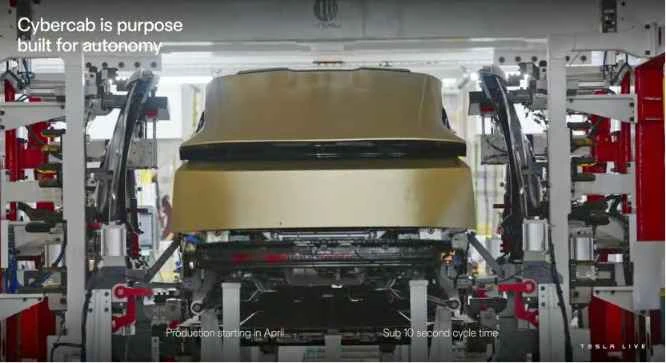
Tesla CyberDriver The Cybercab electric vehicle is Tesla's first Robotaxi commercial vehicle designed specifically for self-driving cars . It has no steering wheel, no pedals, and no rearview mirrors, and costs only a few cents per kilometer to operate. Musk stated that mass production of the vehicle will begin at the Texas Gigafactory in April 2026, with the goal of reducing Cybercab's roll-off time to under 10 seconds, theoretically potentially down to 5 seconds, and increasing annual production capacity from 500,000 units to 2-5 million units.
Chips and electricity are key bottlenecks for future development. Musk stated that Tesla has energy solutions in place, but chip supply still needs to be expanded. He mentioned that Tesla may need to build a "giant chip factory, Terafab," with a target of 1 million wafers per month. Because, apart from this, he "doesn't see any other way for the company to reach the required chip production capacity."
In addition, Musk emphasized that automobiles remain an important area in Tesla's future plans.
He revealed that the "most stunning product demonstration in history" he recently mentioned refers to the all-new Roadster, a car that is beyond imagination and surpasses any existing vehicle. A new technology demonstration will be released on April 1, 2026, and mass production is expected to begin in 12-18 months. It is "the coolest car ever, if it can even be called a car."

(Source: The Paper)