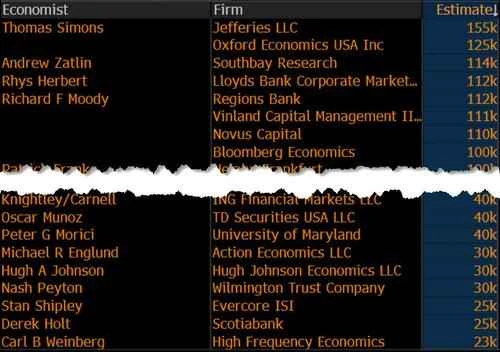
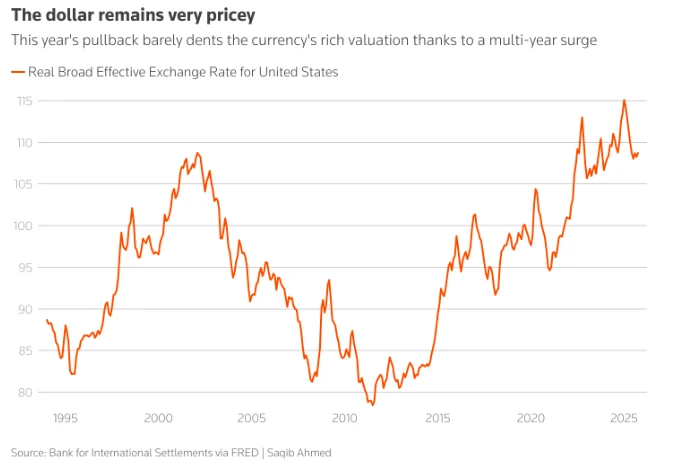
① Nick Timuraus, known as the "Federal Reserve's mouthpiece," said on Tuesday that Fed Chairman Jerome Powell will push for another rate cut this week in the face of highly divided policy positions; ② At the same time, he may set a higher threshold for further easing in response to concerns from nearly half of the officials.
When the Federal Reserve begins its final interest rate decision meeting of the year on Tuesday, Fed Chairman Jerome Powell will face a highly divided situation: nearly half of his colleagues do not want to cut rates, while a voice from the White House is calling for a significant rate cut .
As background, since September 2019, there have been no more than three dissenting votes at Federal Reserve policy meetings, but this time it is possible that this record will be broken.
Nick Timuraus, a well-known macro writer and often referred to as the "Federal Reserve's mouthpiece," said on Tuesday that despite unusual disagreements, Jerome Powell, who makes the final decisions, still seems likely to push for an interest rate cut . Therefore, the focus of this meeting will be whether Powell can piece together enough consensus to minimize dissent.
Timothy points out that Powell's most likely approach is to first cut interest rates by 25 basis points, and then convey the message that the threshold for future policy easing will be raised by revising the post-meeting statement. This "cut rates first, then set limits" approach is similar to his "three consecutive rate cuts" in 2019, which also sparked controversy at the time.
After weighing the fragility of the labor market and the state of inflation, Powell led the Federal Reserve to cut interest rates in September and October, and a similar assessment will support this week's rate cut.
The problem is that voices opposing the rate cut are spreading among a group of officials who believe that the previous two rate cuts lacked sufficient justification .
According to statistics, five of the Fed's 12 voting members stated in speeches or public interviews this year that they did not believe there was sufficient reason to cut interest rates . Among all 19 FOMC members, a staggering 10 expressed similar views . Of these, only Kansas City Fed President Schmid voted against it in October (note: the other dissenting vote in October came from "White House official" Milan, who called for a 50 basis point rate cut).
The core disagreement among officials lies in which direction, if the Federal Reserve's policies go wrong, will cause problems that are more difficult to fix.
Hawks worry that excessive interest rate cuts will lead to inflation becoming a bigger problem by next spring. Dallas Fed President Lori Logan stated last month:
"With inflation consistently above target, a federal funds rate close to 4% is not as suppressive as you might think."
Doves, however, worry that waiting until further signs of weakness in the labor market before taking action will make the damage more difficult to reverse. San Francisco Fed President Mary Daly stated last month:
“I’m not very confident that we can take preemptive measures before things get worse. The current vulnerability is enough to make the risk change non-linearly.”
To make matters worse, the US government shutdown has left Federal Reserve officials without sufficient data to adjust their expectations. The US Department of Labor will release labor market data for October and November, as well as November inflation data next week; this single data release could completely rewrite policy outlook.
Therefore, a more difficult issue than a December rate cut is setting a threshold for the January meeting. At that time, officials will have all the December employment and inflation data. For Powell, signaling that the Fed will limit its accommodative stance when it is uncertain whether the upcoming data will support a rate cut is a very tricky matter .
As is customary each quarter, Federal Reserve officials will also release their latest economic projections this week, including a "dot plot" outlining how many rate cuts they expect in 2026. Timothy believes that interpreting this guidance will be more difficult than ever given President Trump's efforts to restructure the Fed's leadership (to push for rate cuts).
Jerome Powell's term as Federal Reserve Chairman expires next May, meaning he will only chair the first three policy meetings of next year . Last week, Trump stated that he had narrowed down the search for Powell's successor to one person, whom the market believes to be Kevin Hassett, the White House Council on Economic Affairs Director.
Timothy said Powell's strength lies in adjusting interest rate guidance to reflect the concerns of skeptical colleagues. This reduces dissent even when officials disagree. Whether his successor will garner the same respect remains to be seen.
Analysts say the new Federal Reserve chairman, trying to please Trump, may attempt to cut interest rates drastically, beyond what other members of the committee can tolerate .
Former senior advisor to the Federal Reserve, now working at Bank of New York Mellon Vincent Reinhardt, chief economist at an investment firm, said: "This could be a turning point. The Fed will become more politicized, and a more politicized Fed will cut rates as much as possible."

(Article source: CLS)