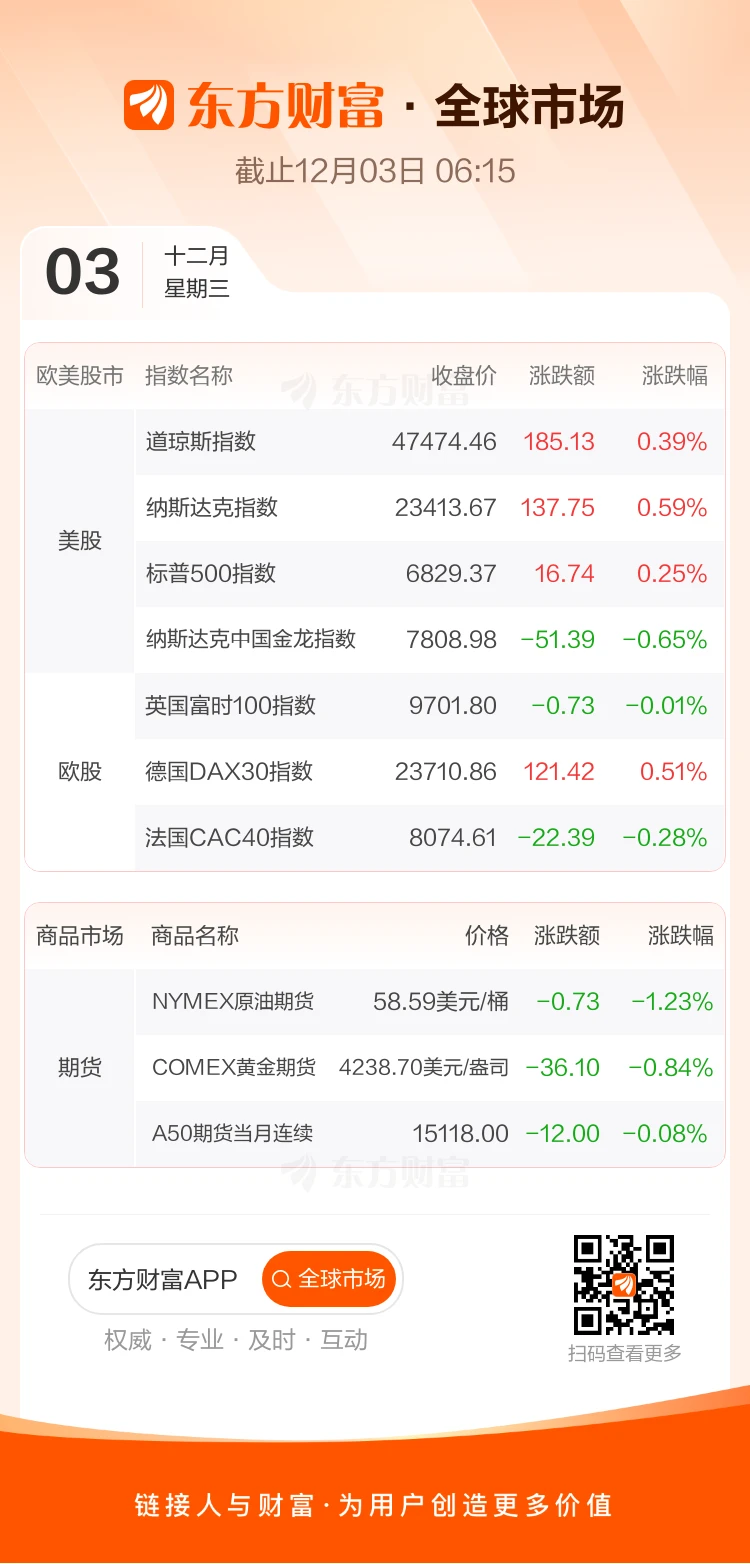
Recently, regarding artificial intelligence The debate over the "AI bubble" theory is intensifying. Despite Nvidia's efforts... Despite releasing earnings reports that far exceeded expectations, major U.S. stock indexes retreated from their highs on Thursday, indicating that market concerns about an "AI bubble" seem unlikely to dissipate in the short term. Just as Wall Street's "big short" published an article criticizing the "AI bubble," Bridgewater Associates founder Ray Dalio stated that while an AI bubble does exist, it's not yet time for it to burst.
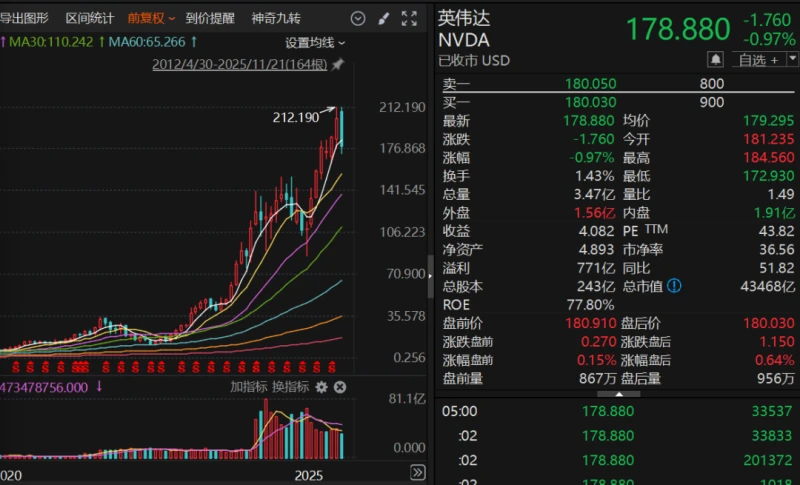
Nvidia recently released its fiscal third-quarter results for 2026, reporting revenue of $57 billion, a 62% year-over-year increase; and net profit of $31.9 billion, a 65% year-over-year increase, both far exceeding market expectations. The company also provided strong growth guidance of $65 billion for the fourth quarter. Despite Nvidia's impressive performance, the debate over whether the recent investment boom in artificial intelligence has created a bubble has intensified. The strong earnings data contrasts sharply with the prevailing cautious sentiment in the market.
Nvidia's stock price fell for two consecutive days after the earnings report was released. As of November 21, Nvidia's stock price had fallen 11.66% since the beginning of November.
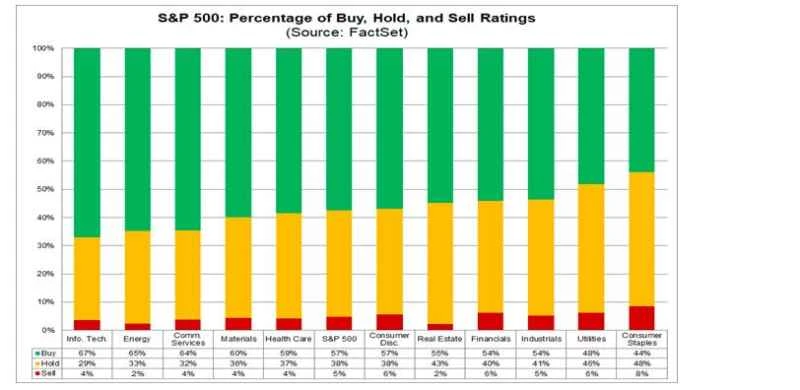
Bank of America A newly released November global fund manager survey report shows a significant increase in market concerns about an "AI bubble." The global survey covered 172 fund managers managing a total of $475 billion in assets, and the survey period was from November 7th to November 13th.
According to the report, 45% of respondents considered the "AI bubble" to be the biggest tail risk, a significant increase from 33% in October, reflecting investors' wariness of overvalued tech stocks. Furthermore, tech sector positions remain very crowded, with 54% of respondents listing "long the Big Seven" as the most crowded trade.
Several heavyweight investment figures also spoke out at this time, joining this "debate" about the "AI bubble".
Following Nvidia's strong earnings report, renowned Wall Street short-seller Michael Burry posted multiple messages on social media, questioning the lifespan of Nvidia chips, stock dilution, and the "circular financing" among AI companies. Burry also questioned Nvidia's relationships with OpenAI and Microsoft . Oracle bone script The charts depict a complex web of multi-billion dollar "revolving financing" among AI companies. Barry stated, "Every company listed has questionable revenue recognition issues; if you include all the transactions, the charts are practically unrecognizable."

It is worth noting that U.S. securities According to SEC filings, Barry's Scion Asset Management fund ceased registration on November 10. In a letter to investors, Barry admitted, "My view of the market is different from most people's, and it has been different for a long time." He plans to liquidate the fund and return the funds by the end of the year.
On November 20 local time, Ray Dalio, founder of Bridgewater Associates, one of the world's largest hedge funds, said in a media interview, "There is indeed a bubble in the market, but we haven't seen the factors that will burst it yet."
Dalio believes that a bubble is forming, but an external factor is needed to burst it. This factor is unlikely to come from tighter monetary policy, but may come from a higher wealth tax.
A foreign-funded public fund market strategist in Shanghai told the Shanghai Securities News that there is indeed a risk of localized bubbles in the US stock market's artificial intelligence sector, especially among companies that invest in each other based on high expectations of future revenue. The core risk lies in whether the profit growth rate can match or even exceed the intensity of previous investments.
However, he believes the overall risk in the sector remains relatively manageable. On one hand, tech giants (such as Microsoft , Google, and Nvidia) generally control their AI investments to around 60% of their operating cash flow, indicating their financial strength can still support the current pace of investment. On the other hand, some businesses have already begun contributing actual revenue; for example, Microsoft has integrated AI services with cloud computing. The businesses are deeply integrated, generating substantial cash flow. Furthermore, compared to the dot-com bubble era, the phenomenon of companies investing through large-scale borrowing is not as prominent now, and the overall leverage level is relatively stable.
(Source: Shanghai Securities News)